
Automotive components
Bumpers, interior trim, functional housings, and exterior plastic pieces often require higher clamp force and controlled filling.
BTA helps factories choose Haitian machines around product geometry, material, mold size, cycle time, quality tolerance, automation plan, and energy cost.
For some customers the biggest issue is energy consumption. For others it is mold space, product weight consistency, robot take-out, or reliable support during high-volume production.
Focus on cycle time, repeatability, energy monitoring, cooling, and automated part handling.
Focus on clamp force, platen rigidity, mold opening, floor space, and material handling.
Focus on process stability, closed-loop injection, mold protection, and operator control.
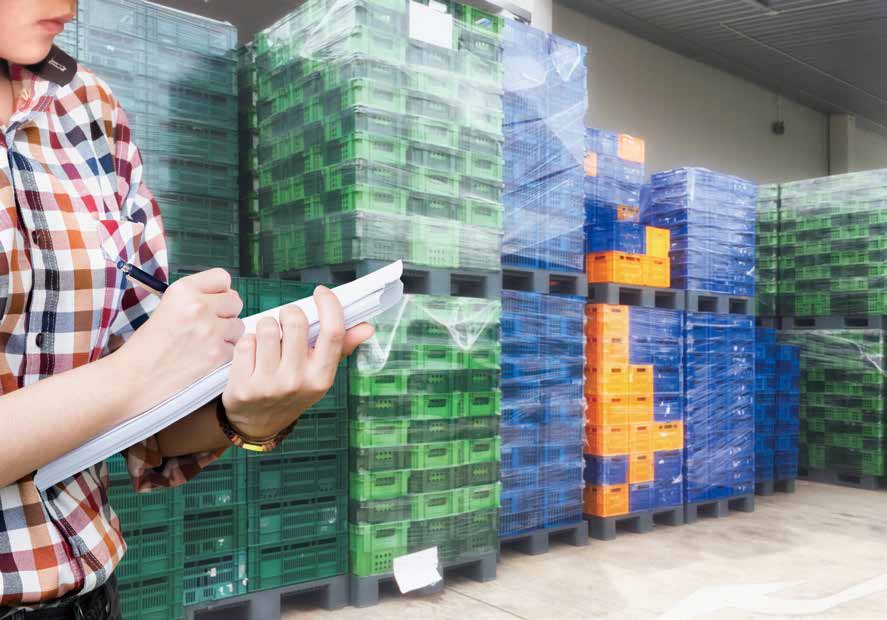
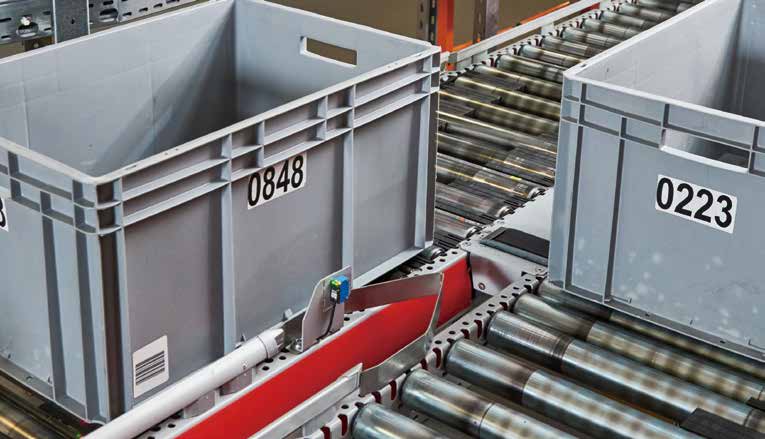
Logistics products often need large mold space, strong clamping, stable filling, and efficient part handling. JU5/Jupiter is the typical starting point for large crates and pallets, while MA5/Mars can fit smaller container work.
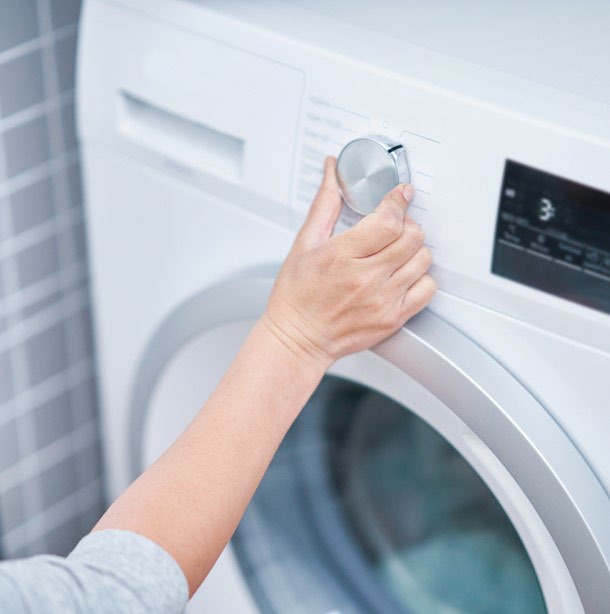
Automotive and appliance parts can demand rigid platens, stable injection, mold protection, careful material handling, and repeatable machine settings for consistent visible surfaces.
Bumpers, interior trim, functional housings, and exterior plastic pieces often require higher clamp force and controlled filling.
Machine sizing must account for large panels, mold alignment, surface finish, material behavior, and safe part removal.

Electronics, technical housings, connectors, and precision components benefit from repeatable injection, controlled temperature, reliable screw performance, and clear operator settings.
Reduce variation in weight, dimensions, short shots, flash, and warpage.
Use controls and diagnostics to keep parameter changes traceable and easier to correct.
BTA turns product goals into machine requirements before narrowing models. This helps prevent mismatches that are expensive to correct after installation.
Cycle speed, cooling, energy use, and high-volume repeatability.
Broad product mix, mold changeover, reliability, and operator usability.
Clamp force, mold opening, platen rigidity, and part extraction.
Injection precision, material control, diagnostics, and documentation.
BTA can recommend the right starting platform once the product and mold requirements are clear.